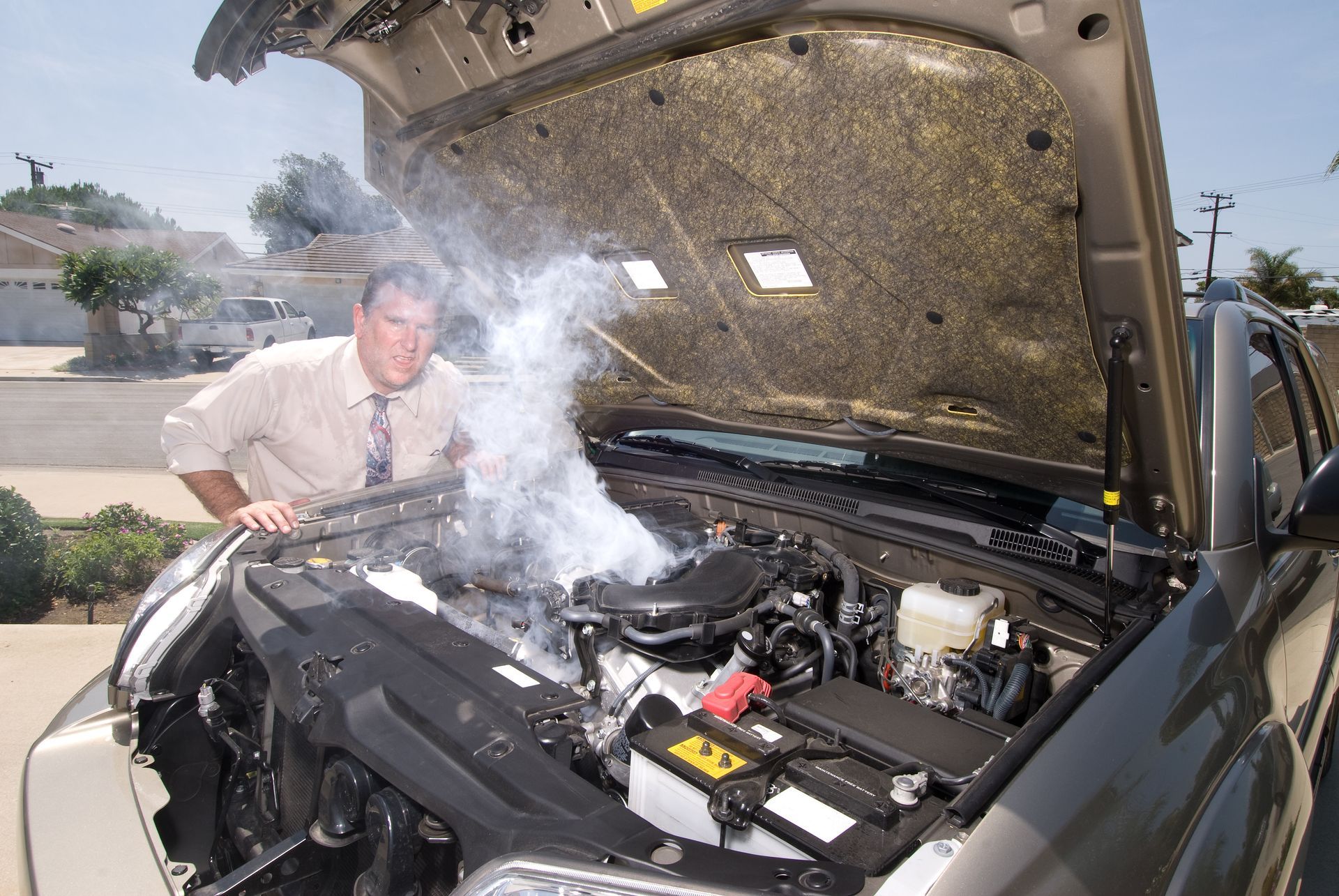
Seeing colored smoke in the rearview mirror can be stressful. Exhaust should be nearly invisible once the engine is warm, so white, blue, or black smoke is your car’s way of asking for attention. The color often points toward a specific system, and catching the pattern early can keep a small problem from turning into an expensive repair.
Why Exhaust Smoke Color Matters
Exhaust is the byproduct of air and fuel burning in the engine. When something else enters that mix, the color changes. Oil, coolant, and extra fuel each leave a signature in the tailpipe. The key is to notice when the smoke appears, how long it lasts, and what driving conditions make it worse. Those clues help narrow the fault fast.
White Smoke: Harmless Steam or Coolant Leak
Thin white vapor on cold mornings is usually normal condensation. As the exhaust system warms up, water evaporates and a light mist appears for a minute or two. That steam should fade quickly. Thick, sweet-smelling white smoke that lingers points to coolant entering the combustion chamber. A failing head gasket, a cracked head, or a leaky intake gasket can let coolant slip past seals.
You may also notice a rough idle at startup, a low coolant level, or a temperature gauge that climbs more than usual. If the smoke looks dense and does not clear once warm, plan an inspection soon to protect the engine and catalytic converter.
Blue Smoke: Oil Burning Inside the Engine
Blue or bluish gray smoke means engine oil is burning. It often shows up during a cold start or after idling at a light, then clears a bit once moving. Worn valve stem seals can drip oil into the cylinders while the engine sits. If blue smoke appears during hard acceleration or on long downhills, piston rings or cylinder wear may be the source.
Turbocharged engines can also push oil past turbo seals, which creates smoke as boost builds. Watch your oil level between services and listen for new ticks or rattles on startup. Driving with low oil can damage bearings and timing parts, so do not ignore a steady blue haze.
Black Smoke: Too Much Fuel in the Mix
Black smoke means the mixture is rich, which is fuel-heavy. The engine is either getting more fuel than it should or not enough air. Common causes include a dirty air filter, a stuck fuel injector, a high fuel pressure issue, or a mass airflow sensor that is reading low. You may notice poor fuel economy, a rough idle, or a strong fuel smell.
On some vehicles, a failing oxygen sensor can skew the mixture and trigger a check engine light. Driving rich for long periods overheats the catalytic converter, so addressing black smoke sooner protects both performance and emissions parts.
Cold Starts, Acceleration, and What the Pattern Tells You
The moment smoke appears matters. Steam that fades a minute after a cold start is likely normal. White smoke that returns once hot is not. Blue smoke after a long idle points toward valve seals, while blue under throttle points toward rings or turbo issues.
Black smoke during quick acceleration suggests an air or fuel metering fault, while black smoke at cruise hints at a sensor or fuel pressure problem. Make a few notes about when you see smoke, since those details shorten the path to the fix.
Simple Checks You Can Try at Home
A quick look can rule out easy issues. Confirm the engine oil level is on the mark and looks clean. Check the coolant in the reservoir on a cold engine and look for any oily film. Inspect the air filter for heavy dirt that could restrict airflow. If you smell fuel or see wet spots around injector rails or hoses, avoid extended driving until a technician checks the system.
These steps do not replace testing, but they help you decide how urgently to schedule service.
How Technicians Find the Cause Without Guesswork
A proper diagnosis starts with reproducing the symptom. A road test at the speeds and loads where smoke appears gives useful data. A cooling system pressure test can uncover a slow internal leak when white smoke is the concern. For blue smoke, a compression and leak-down test shows ring and cylinder health, and a borescope can spot heavy carbon or oil wash on a cylinder wall.
Turbo systems are pressure tested to check seals and charge pipes. For black smoke, scan data reveals fuel trims, oxygen sensor response, and airflow readings, while fuel pressure tests confirm supply health. Fixing a rich condition or stopping oil or coolant entry restores normal exhaust and protects the converter.
Breathe Easy with 808 Automotive in Hubbard, OR
If your car is leaving a white cloud, a blue haze, or a black puff, our team will pinpoint the reason and set it right. We test, measure, and explain your options in clear language, then repair the exact part that failed so the fix lasts.
Schedule a visit with
808 Automotive in Hubbard, OR, and drive away with clean exhaust, steady power, and confidence on every trip.